
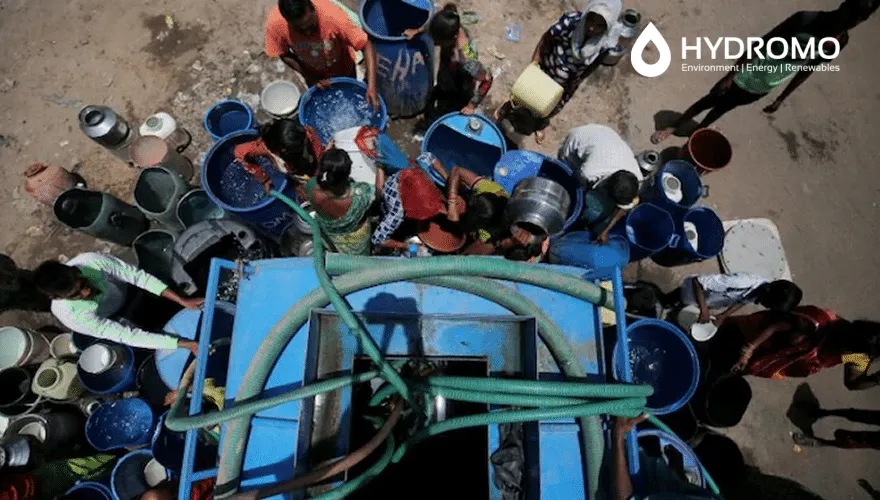
Summer 2026 has arrived and the water situation across India looks rough. Hyderabad, Bengaluru, Delhi, Chennai, Mumbai — almost every big city is dealing with critically low groundwater, patchy monsoons, and demand that just keeps climbing. Tanker costs are already going up and many places are facing uncertain supply days.
Commercial buildings feel this pressure the most. Offices, malls, hotels, factories, and IT parks use enormous amounts of water every single day. When the regular supply shrinks, everything from daily operations to monthly bills takes a hit. That’s why practical water scarcity solutions matter right now.
Why Commercial Buildings Need Strong Water Scarcity Solutions
Relying only on municipal water or expensive tankers is no longer sustainable. The real way forward is combining commercial water treatment systems, rainwater harvesting for commercial buildings, and proper sustainable water infrastructure. These steps cut outside dependence and bring stability.
Commercial Water Treatment Systems: Turn Waste Water Into Something Useful
Commercial water treatment systems take greywater from sinks, showers, and AC units and clean it for reuse in flushing, gardening, and cooling towers. Facilities that installed these setups have managed to slash fresh water use by 40-60%.
The newer membrane bioreactors and filtration units work better than older models and many include simple phone monitoring. Upfront cost is there, but most recover the money fast through lower bills and fewer tanker orders.
Rainwater Harvesting for Commercial Buildings: Don’t Let Free Water Go to Waste
Rainwater harvesting for commercial buildings is one of the smartest moves available. Gutters, filters, first-flush setups, storage tanks or recharge pits can easily cover 20-50% of non-potable needs depending on roof size and local rain.
In cities like Hyderabad and Bengaluru this makes a noticeable difference during the hottest months. Many states made it compulsory anyway, but the buildings that did it right see real relief and help recharge underground water too.
Sustainable Water Infrastructure: Build Something That Lasts
Sustainable water infrastructure means looking at the full picture — greywater recycling loops, smart meters, low-flow fixtures, better cooling systems, and permeable surfaces.
Those that implemented these have been less stressed by the 2026 scenario and are likely to benefit from the green building rules and ESG requirements.
How to save real money and reduce water wastage: simple changes that make a difference!
There are many reasons why water gets lost – and lots of them are due to the careless habits and missed connections. Here are some tips to save water without all the expensive equipment:
- Turn off taps at once – even a leaky tap can consume thousands of litres per month!
- Use low flow taps, showers and flush systems.
- Install timers and sensors to water the garden.
- Conduct regular water audits with smart meters.
- Actually train employees and tenants to save.
- Reuse AC condensate water wherever it fits.
These steps regularly bring down total usage by 15-30%. Every litre saved counts when supply gets tight.
Final Thoughts: Act Now Before Things Get Tougher
The 2026 summer water crisis is not going away on its own. Businesses that seriously adopt water scarcity solutions — whether commercial water treatment systems, well-planned rainwater harvesting for commercial buildings, solid sustainable water infrastructure, or practical how to reduce water wastage methods — will keep running smoothly.
Get a water audit done this month. Talk to people who have already implemented these. Understand the local rules and start making changes that suit your building.
What steps has your office, factory or commercial property taken so far? Share real experiences in the comments. Practical stories from actual users help others prepare better.
Talk to our expert team — free consultation: hydromo.in |
 +91 7995201717
FAQ:
1. The 2026 summer water crisis will be that bad in Indian cities, right?
A. Groundwater levels have significantly declined, monsoons have become unpredictable, and demand is rapidly increasing. Many commercial buildings are already experiencing increased costs of tankers and uncertain municipal supply. The right water scarcity solutions at the beginning of the year have a significant impact.
2. What are the top water scarcity solutions for commercial buildings today?
A. Implementations of practical solutions for water scarcity in a sustainable way that are working include: Commercial water treatment systems for reuse of greywater, rainwater harvesting for commercial buildings and overall sustainable water infrastructure. This combination of the three cuts down on reliance on outside water and aids buildings in their ability to withstand peak summer water shortages.
3. Do commercial water systems for offices and factories pay off?
A. Yes, in most cases. Commercial water treatment systems can be used to remove water from sinks, ACs and showers and convert it to water that can be used for gardening and flushing. The new policy has resulted in many facilities in Hyderabad and Bengaluru reducing the use of fresh water by 40-60%. The systems recoup their cost within 2-4 years of installation, due to reduced bills and tankers.
4. What is the effectiveness of rainwater harvesting in times of water scarcity in the summer season in commercial buildings?
A. Commercial buildings can do a great job with rainwater harvesting with proper implementation. With a good set-up of filters and recharge pits, 20-50% of non-potable water needs could be met. One of the most dependable water scarcity options for cities like Hyderabad and Bengaluru is already mandated in several states.
5. What does sustainable water infrastructure mean for commercial properties?
A. Sustainable water infrastructure requires complete water management, including greywater recycling, smart water meters, low-flow fixtures, water-efficient cooling towers and permeable parking surfaces. Strong, sustainable water infrastructure buildings are less impacted by the 2026 crisis and may also be eligible for green building benefits.