From Saline Water to Sustainable Freshwater
Seawater covers nearly 71% of the Earth’s surface, yet freshwater scarcity continues to challenge industries and communities. Hydromo provides industrial and commercial desalination solutions that convert seawater and high-TDS groundwater into a reliable freshwater source. Our comprehensive desalination solutions ensure a sustainable water supply for industries, commercial developments and infrastructure projects.
Why Desalination Matters
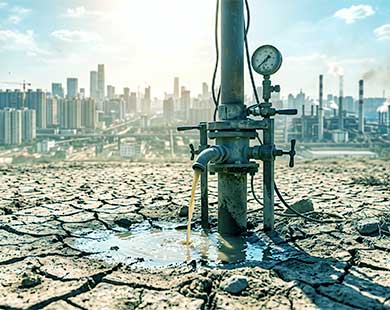
Freshwater scarcity affects more than just coastal regions. Across Andhra Pradesh and Telangana, many borewells yield high-TDS water that’s unsuitable for everyday use. From residential communities and commercial developments to industries and municipalities, dependable water supply remains a growing challenge that conventional infrastructure struggles to meet.
That's what desalination fixes.
Coastal Water Scarcity
Seawater is abundant. Freshwater isn't. For coastal cities, industries and developments, desalination is no longer an alternative. It's the most reliable solution for securing a sustainable freshwater supply.
Saline Groundwater
Drilling deeper isn't always the answer. Across many coastal and inland regions, high-TDS groundwater is unsuitable for drinking, agriculture or industrial use. Conventional RO systems simply can't handle these salinity levels.
Industrial Process Demand
Industries can't afford an unreliable water supply. Manufacturing plants, chemical facilities and processing units require a continuous supply of high-quality water. Dependence on municipal connections or water tankers puts operations at constant risk.
Municipal Supply Gaps
Cities are growing faster than their water infrastructure. As demand increases, traditional water sources struggle to keep pace. Scalable desalination solutions help municipalities secure a reliable freshwater supply without waiting for future pipeline expansions.
HOW IT WORKS
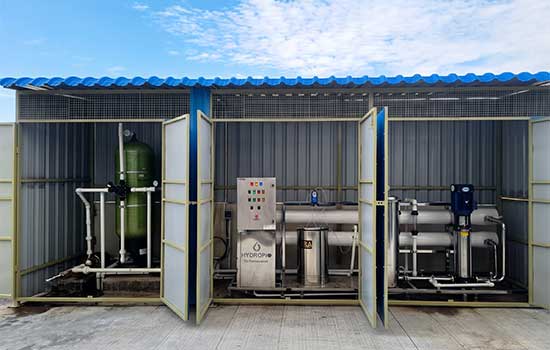
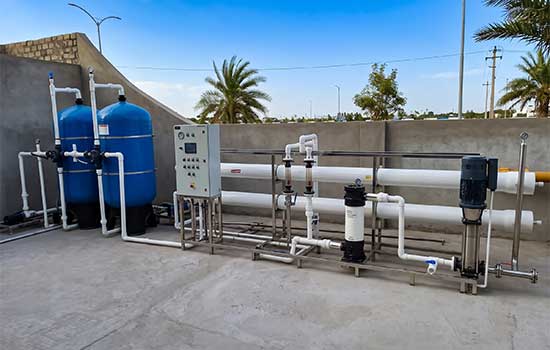
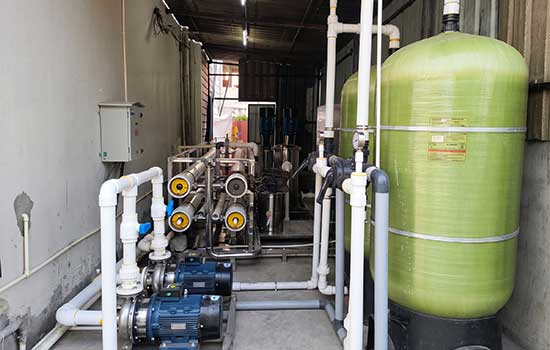
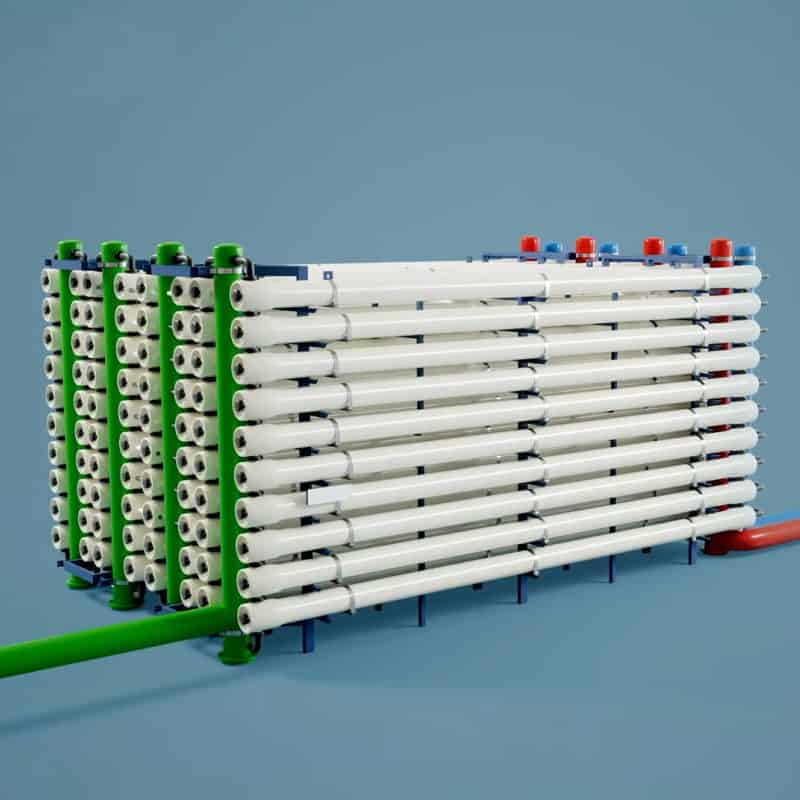
his is where the real work happens. Advanced reverse osmosis membranes push water through at high pressure — salts, heavy metals, dissolved solids — they don't make it through. Clean water does.
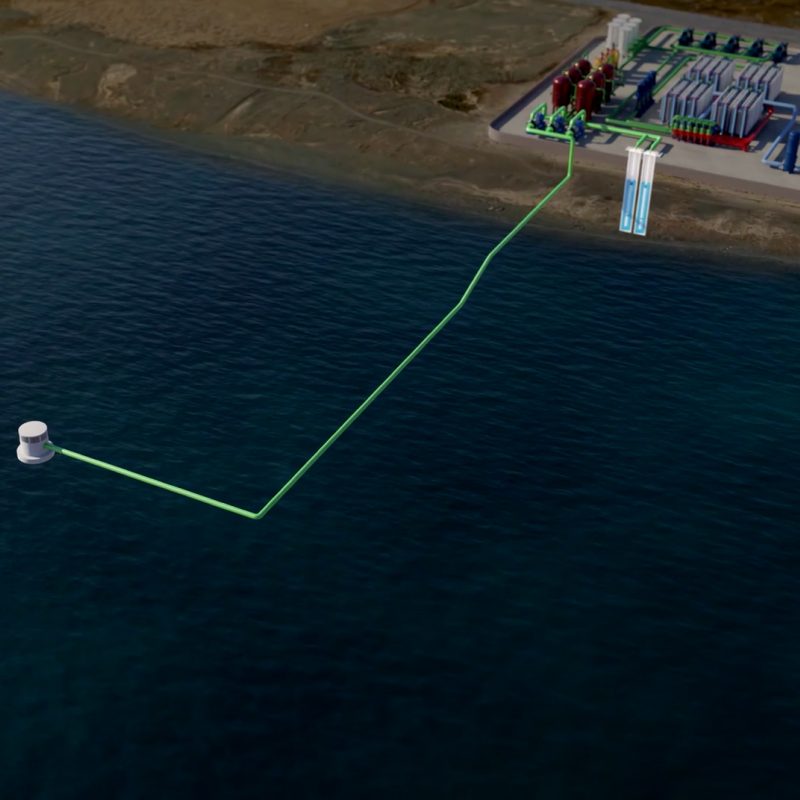
Source water comes in — seawater, brackish groundwater, whatever the site demands. It's pre-filtered first to clear out suspended solids and biological matter before the main treatment begins.
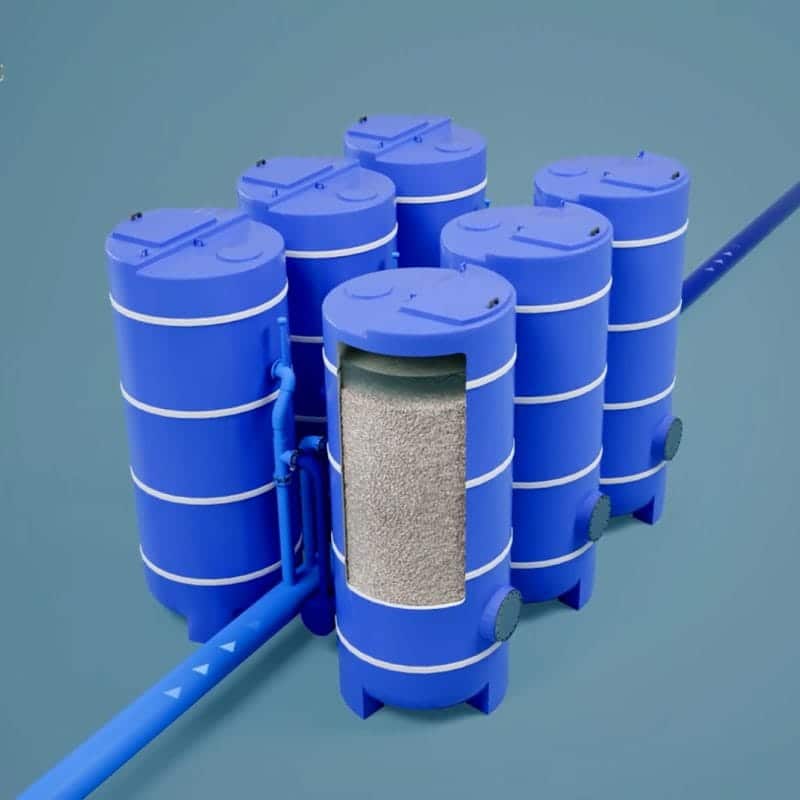
Source water comes in — seawater, brackish groundwater, whatever the site demands. It's pre-filtered first to clear out suspended solids and biological matter before the main treatment begins.
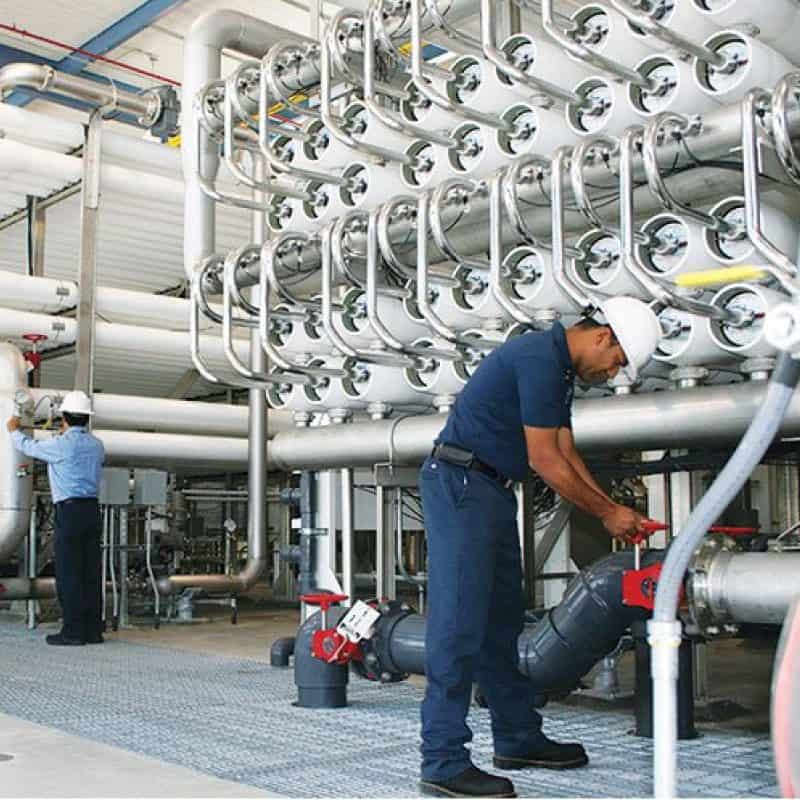
The treated water is then mineralised, pH-balanced, and sent out — potable for drinking, process-grade for industry, or whatever specification the project calls for.
KEY SPECIFICATIONS
Not all RO is built equal. Ours handles TDS and salinity levels that standard systems simply weren’t designed for.
Seawater one day, brackish groundwater the next — the output quality stays consistent either way.
Running a desalination plant is energy-intensive. We engineer ours for the long run — lower lifecycle costs, not just impressive first-year numbers
A boutique coastal resort and a municipal supply project have very different demands. We build for both — and everything in between.
Coastal and industrial environments are demanding. These systems are designed to run continuously without the maintenance headaches that break cheaper alternatives.
WHO IT'S BUILT FOR
We've deployed across a range of industries and geographies — typically the ones where conventional water sources stopped being reliable some time ago.
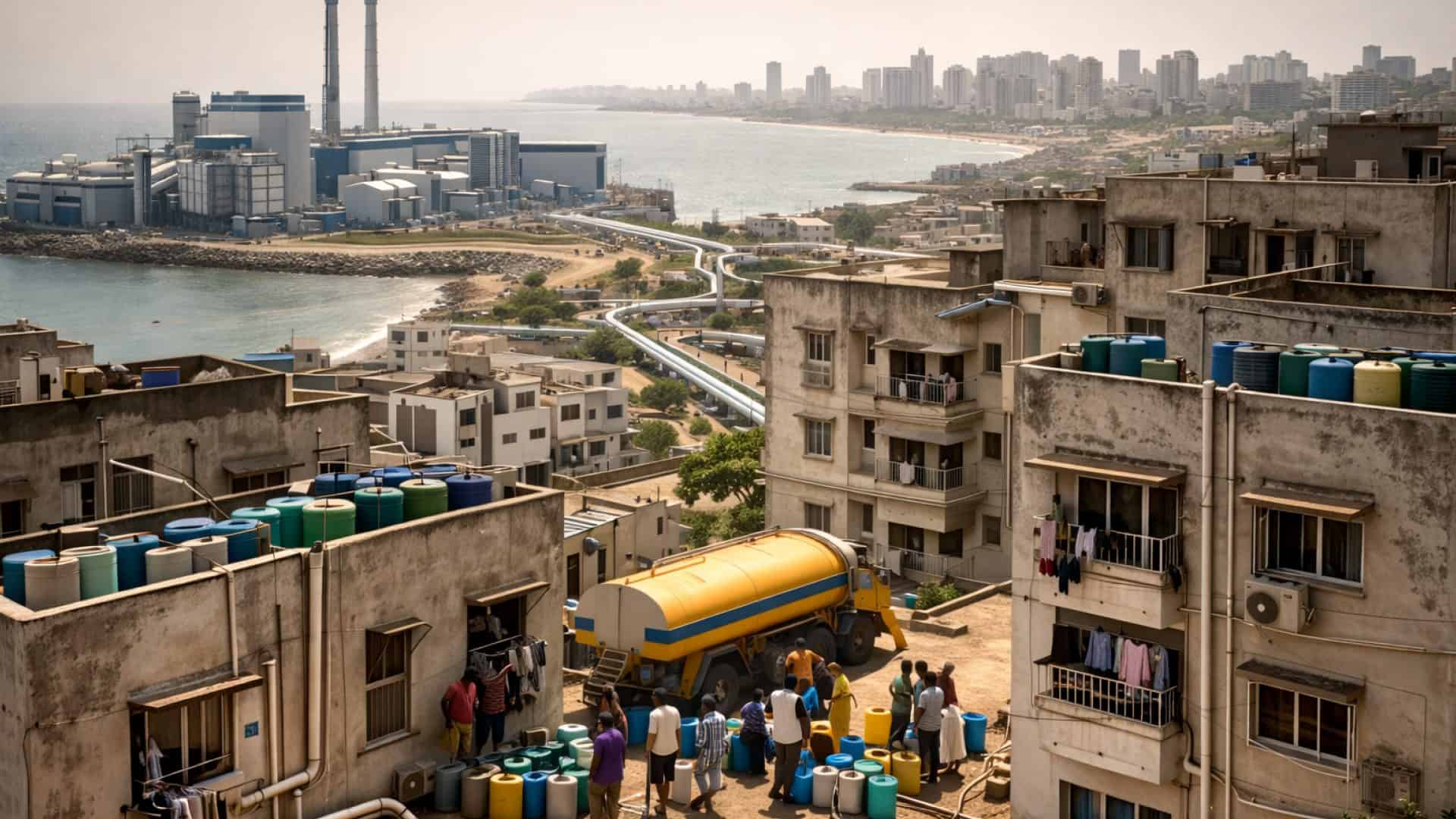
Coastal Communities
Where seawater is abundant, but freshwater infrastructure is limited.
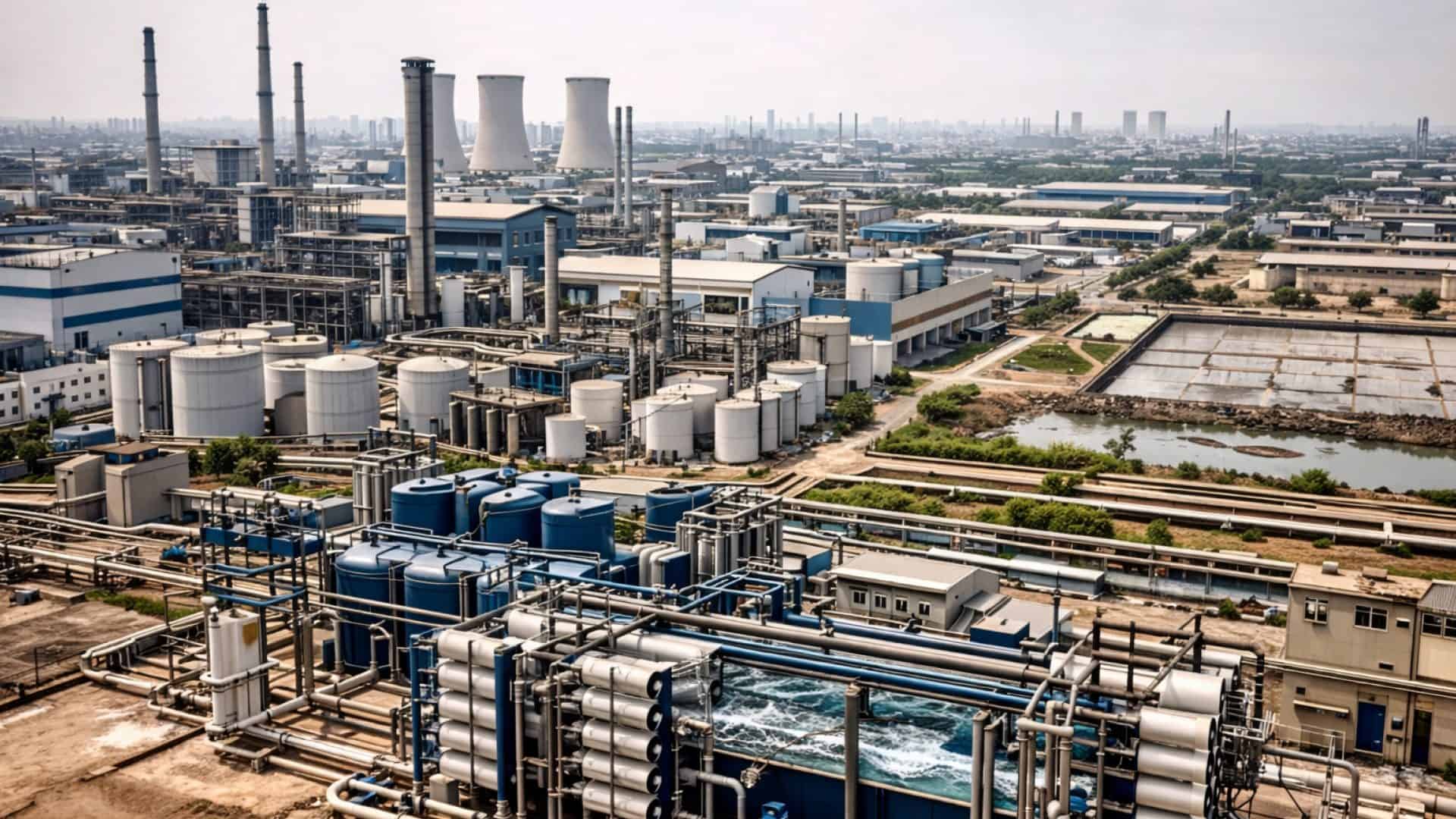
Industrial Facilities
Where uninterrupted production depends on a reliable water supply.
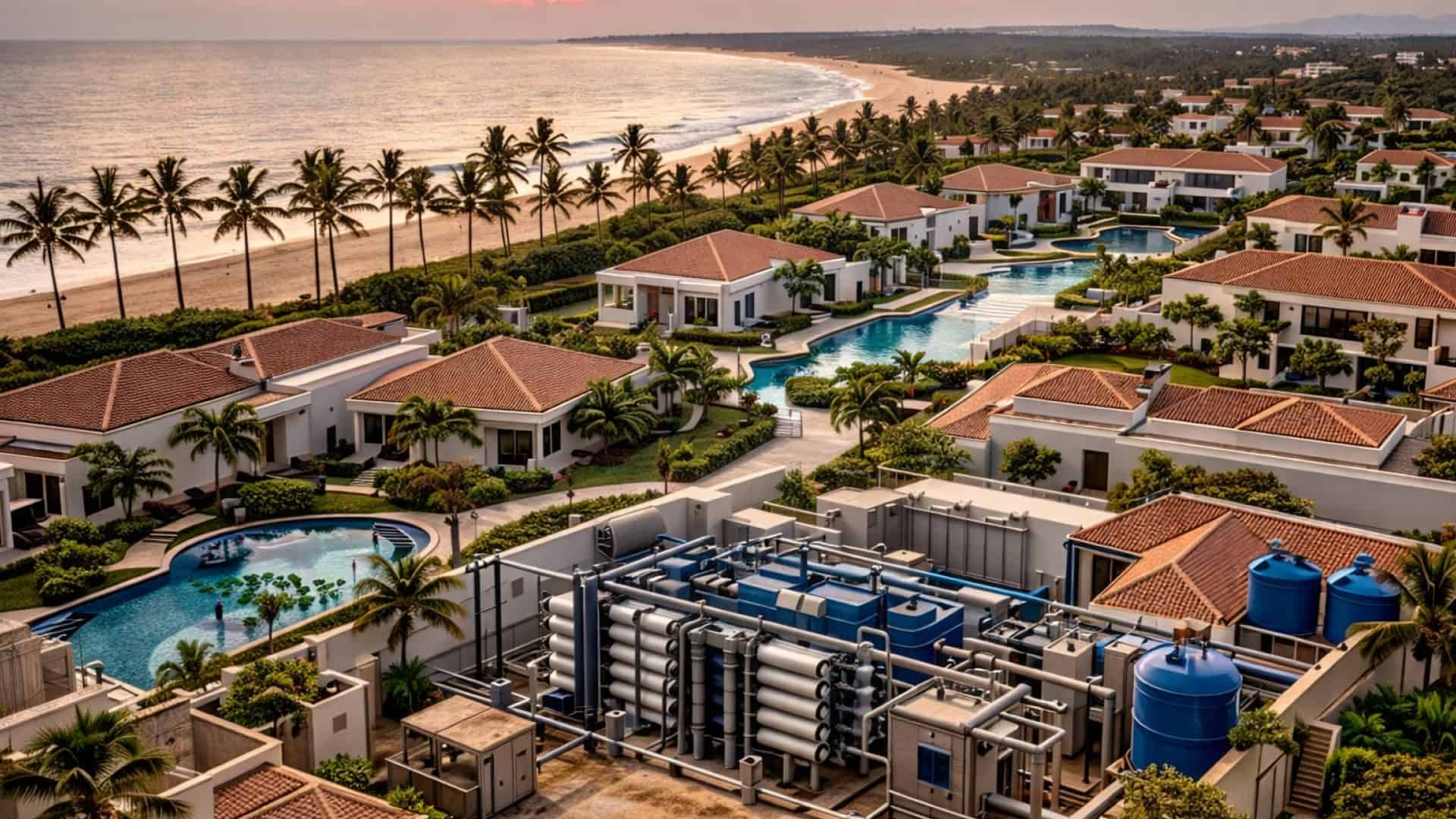
Hotels & Resorts
Where dependable freshwater is essential for guest comfort and daily operations.
Desalination Projects
See how we’ve made this solution work on-ground.

Project Name
Yukta Apartments
Hydromo installed a 6 KL Desalination Plant that reduced TDS from 5,000 ppm to 50 ppm, providing reliable, high-quality water for the daily utility needs of 80 flats at YUKTHA Apartments.
Project Name
Akshaya Resorts
Hydromo successfully designed, supplied, installed, and commissioned a 10 KL Desalination Plant for Akshaya Resorts in Chirala, Andhra Pradesh.
Project Name
Jewel County
Hydromo, a leading provider of sustainable water treatment and renewable energy solutions, recently executed water treatment and solar power solutions for the Nexgen Villa Project in Vijayawada.