
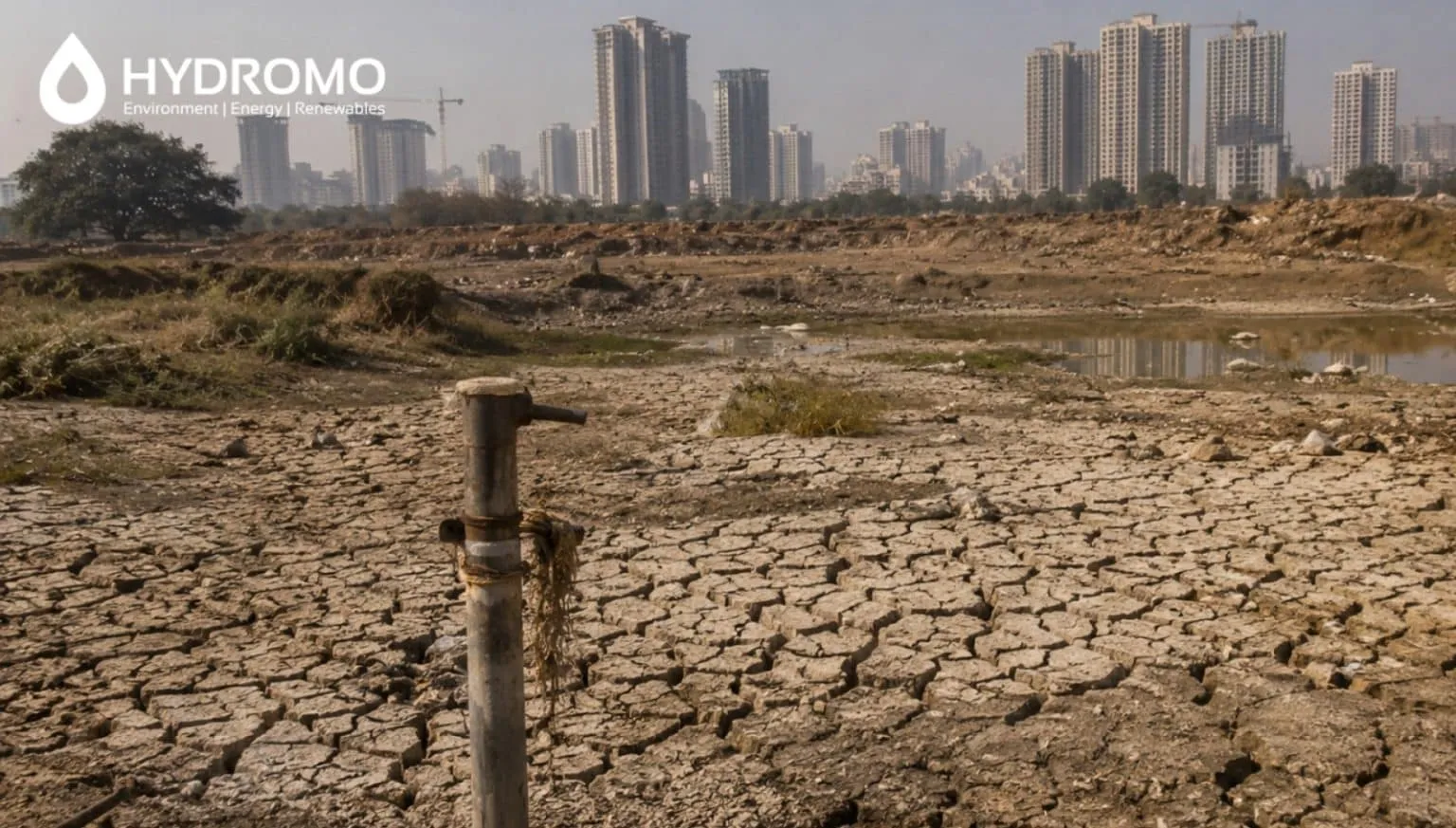
These water problems have been building up for a long time now. Every dry season makes things feel more pressing in cities across the country. Back when things were simpler, borewells and underground sources felt like they would last forever. But these days the warning signs show up everywhere in urban areas. A lot of big cities could hit serious groundwater shortages by 2030 if nothing changes fast. Daily shortages, dropping water tables, and those ever-rising tanker rates tell the real story on the ground.
Groundwater Depletion in India
Rainfall hits many parts of the country decently enough, but most of it just rushes away into rivers and the sea without getting used right. Meanwhile, extraction from underground keeps happening at breakneck speed.
No other place on earth pulls out as much groundwater as India does. More than China and the United States put together. Close to 80% goes into farming, yet old, inefficient ways waste huge volumes. The numbers have shot up massively in the last few decades. States like Punjab and Rajasthan pull out way more than the rains can put back each year. The Green Revolution delivered food on tables for millions, but the underground reserves took the real beating.
Groundwater Crisis in Indian Cities
Walk around any major city, and the difficulties stare right back. Delhi, Bengaluru, Hyderabad, Chennai – all of them show similar troubles.
Reports flag more than twenty big cities as heading for critical shortages by 2030. Chennai already went through those terrible empty reservoir days in 2019. Bengaluru keeps stretching its pipelines to far off places while its own lakes choke with waste. Delhi loses almost half the piped water in leaks. Concrete has buried natural recharge areas all over. Wastewater treatment remains poor and adds to the mess. Tanker operators run a whole parallel business charging crazy prices that hit poorer families hardest.
Will India Run Out of Water by 2030
The whole country won’t go dry, but plenty of cities and regions face rough years ahead.
Truth is, the rain that falls each year should be enough overall. The real mess comes from how things get handled – free electricity for pumps, borewells dug without checks, and states not working together properly. If this continues, urban zones will deal with more shortages by 2030. Jobs, health, and migration pressures will follow. Even so, these problems can still get turned around.
Urban Groundwater Depletion in India
Half the water used daily in cities comes straight from underground with hardly any rules. Buildings and roads spread fast and wipe out the natural spots where water used to seep back in.
Hyderabad makes this plain to see. New colonies and tech parks push the water table lower season after season. Mumbai, Ahmedabad and other cities face the exact same pattern. Sewage plus factory waste spoil whatever remains. Families shell out more for bottled water. Women and children lose hours every day just bringing home basic supplies. Cities simply cannot keep growing like this in the long run.
Groundwater Scarcity Solutions in India
The hopeful part remains that fixes exist when everyone gets involved.
Water must be treated as a real national priority with better coordination between states. Those wrong incentives, like unlimited free power for farm pumps need to stop. Farmers should be encouraged toward millets and other crops that need less water instead of rice and sugarcane in dry zones. All buildings should have proper rainwater harvesting, and wastewater recycling needs a big expansion.
Panchayats and city municipalities deserve actual money and power to handle local resources. Programs like Jal Jeevan Mission point in the right direction but demand stronger follow-up and real community buy-in.
In the end, saving water has to turn into something normal that people do without thinking twice. Small steps at home and in neighbourhoods build up over time.
One practical step that works well in many urban spots comes through Hydromo rainwater harvesting systems. These collect rain properly and send it down for groundwater recharge. They prove especially useful in apartment complexes and housing societies where they directly help local aquifers.
FAQs
1. Which Indian cities might face groundwater shortage by 2030?
Cities such as Delhi, Bengaluru, Hyderabad, Chennai and quite a few others sit high on the risk lists. Actual impact depends on how the rains behave and how fast real actions kick in.
2. Is the water problem because of low rainfall?
Mostly no. Waste, bad storage, leaks and over-use cause the biggest troubles, not just lack of rain.
3. Does farming affect city’s water supply?
Yes, and quite strongly. Farms take the lion’s share, so rural over-pumping lowers levels for cities too. Smarter crop choices can reduce the pressure.
4. What can a normal person do?
Fix leaks at home, arrange rainwater collection, use water with care, and keep pushing local leaders for lake cleaning and proper sewage work. Each little effort adds up.
5. Can new technology alone fix this?
Tools like smart meters and good recycling plants help plenty, but changes in rules and everyday habits matter just as much.
Cities do not have to run completely dry. The time to move has come. How do things stand in your part of the country these days? Share what you see in the comments.