
Sewage Treatment Plants for Hospitals
A hospital's wastewater isn't like anyone else's. It comes out of ICUs, labs, wards, laundries and kitchens, carrying disinfectants, pharmaceutical traces and pathogens that ordinary sewage doesn't have. Sending that straight into the drain isn't just a compliance problem, it's a health one. Hydromo builds STPs specifically for hospitals, so what leaves the building is safe to discharge or reuse.
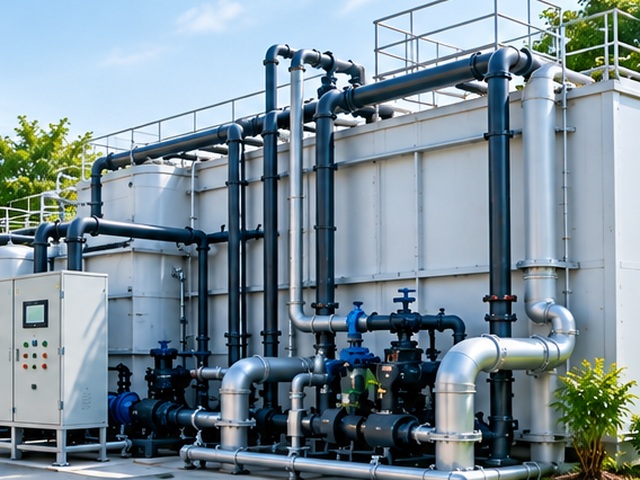
A Waste Stream Ordinary Sewage Treatment Wasn't Built For
Ask any facility manager at a hospital and they'll tell you the same thing: wastewater here is a different beast. It's not just toilets and washbasins, it's ward runoff, lab drainage, laundry discharge, kitchen waste, all mixed together, often carrying disinfectant residues and pathogens picked up along the way. Treat it the way you'd treat sewage from an apartment block, and you're not really solving the problem.
That's really the starting point for how Hydromo approaches hospital STPs. The plant has to be built around what a hospital actually produces, its bed strength, its water use pattern, its space constraints, not a generic template. We work with multi-specialty hospitals, nursing homes and diagnostic centers to design and install STPs that treat this wastewater properly, so it can be discharged within pollution control board limits or reused on-site for things like gardens and flushing.

Why Hospital Wastewater Needs Its Own System
Hospital effluent carries disinfectant residues and pathogens ordinary sewage doesn't, so it can't be treated on the same terms as a residential block.
A correctly sized STP is central to your consent-to-operate, and keeps that approval from becoming a recurring point of risk.
Once commissioned, the plant is an asset on the property, treating wastewater on-site and reducing how often you need to depend on tankers.
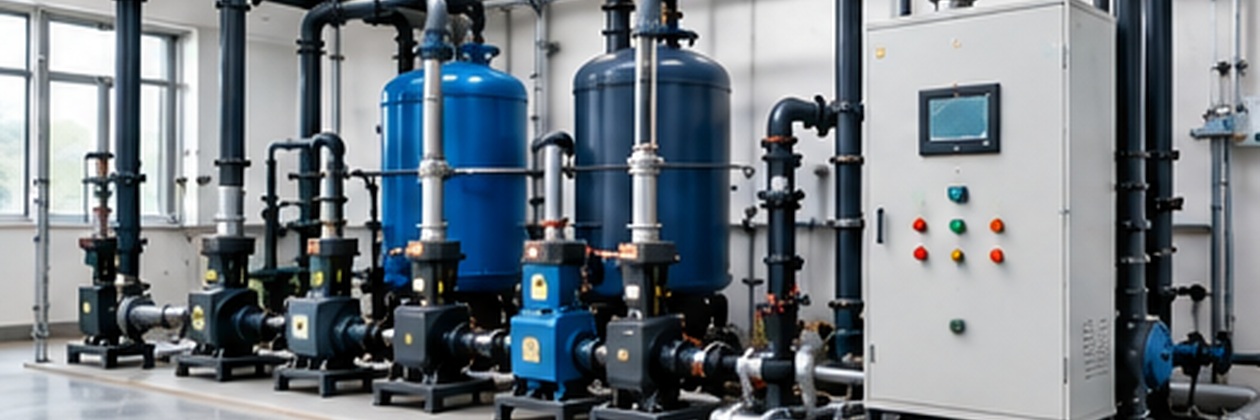
What Goes Into a Hospital STP
Screening & Equalization
Solids, cloth and debris are screened out first, then flow sits in an equalization tank to steady the load between a quiet night shift and a busy OPD morning.
Biological Treatment
MBBR, SBR or Extended Aeration breaks down the organic load, chosen based on available space, load variation and required output quality.
Clarification & Filtration
Fine solids remaining after biological treatment are settled out, then filtered a step further.
Disinfection
Chlorination or UV treatment brings pathogen levels down before the water goes anywhere, given what hospital wastewater carries.
Sludge Management
A proper sludge-handling setup keeps the plant running without bottlenecks, as every biological system produces sludge as a by-product.
How Hydromo Hospital STPs Work
Wastewater Collection
Everything from wards, labs, kitchens, laundry and washrooms gets channeled into the STP.
Screening & Equalization
Solids are filtered out first, and flow is evened out so the system isn't overwhelmed during peak hours.
Biological Treatment
Bacteria break down the organic load, using whichever process fits the site best.
Clarification & Filtration
Suspended solids settle and get filtered, leaving cleaner water behind.
Disinfection
The water is treated to cut down pathogen levels before it's discharged or reused.
Discharge or Reuse
Treated water either goes out under SPCB norms or gets reused for gardening, flushing, and similar non-potable uses.
Built Around Your Hospital, Not a Catalogue
Sized for Your Hospital
Bed count, occupancy patterns and actual daily wastewater volumes drive the design, not a one-size-fits-all number.
Built Around Compliance
Designed with SPCB and CPCB discharge norms for healthcare facilities in mind, from day one of the design.
Fits Where Hospitals Have Space
Compact layouts that work in basements, utility blocks or outdoor plant areas, the spaces hospitals typically have to spare.
Odour and Noise Kept in Check
Because this plant often sits close to patient areas, controlling smell and operational noise is part of the design brief, not an afterthought.
Monitoring Options
Where needed, monitoring provisions can be added so facility staff aren't relying on constant manual checks.
Support That Doesn't End at Handover
We stay involved through commissioning and beyond, so the plant keeps performing the way it's meant to.

What It Means for the Hospital
Keeps You on the Right Side of Regulations
Central to meeting SPCB and CPCB norms for hospital wastewater, and to keeping your consent-to-operate uninterrupted.
Protects the Hospital's Standing
A well-run STP keeps poor wastewater handling from becoming a visible problem with regulators, accreditation bodies and the neighbourhood.
One Less Thing to Depend On
Treating wastewater on-site reduces how often you need to call in tankers for disposal.
Backs Up Sustainability Commitments
If your hospital has environmental goals on paper, this is one of the places they show up in practice.
Where This Works

Multi-Specialty Hospitals
Large facilities running wards, ICUs, labs, kitchens and laundry operations that generate significant daily wastewater.
Nursing Homes & Clinics
Smaller setups that still need a properly sized, compliant system, just at a scale that matches their footprint.

Diagnostic & Pathology Centers
Facilities where lab-related wastewater needs particular attention.
Healthcare Campuses
Larger campuses with hostels, staff quarters and administrative blocks alongside the clinical areas.
Capacity & Customization
There's no standard STP size that fits every hospital. The right capacity depends on bed count, occupancy, water consumption patterns, wastewater characteristics, the space you have available, and where you expect the hospital to grow. Hydromo visits the site, works through these numbers with your facility team, and recommends a system that's actually built for your hospital, not a shelf product scaled up or down.
Selected Hydromo Projects

Gems Hospital
Gems Hospital, Srikakulam, 400 KLD STP
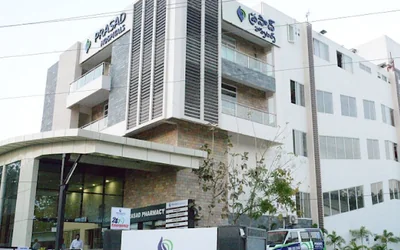
Prasad Hospitals
Prasad Hospital, Hyderabad – 50 KLD MBR Sewage Treatment Plant

Asha Hospital
Asha Hospital, Hyderabad100 KLD STP – MBBR Technology

LMR Hospital
LMR Hospital, Anantapur50 KLD STP

Kamakshi Hospital
Kamakshi Hospital, VizagSTP – MBR Technology
One Team, Start to Finish
Design That Starts With Your Site
We don't begin with a catalogue. We begin with your bed count, your wastewater profile, and your site conditions.
We See It Through
From the first site visit to design, installation and commissioning, one team, start to finish.
Engineers Who Understand Healthcare Wastewater
This isn't treated as a scaled-up residential job. Hospital effluent has its own challenges, and our approach reflects that.
Support After the Plant Is Running
Maintenance and technical backup so the system keeps meeting compliance requirements over time, not just on day one.
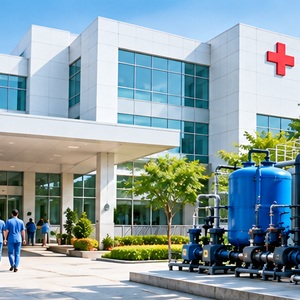
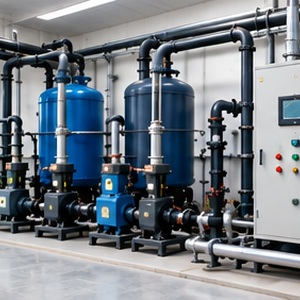
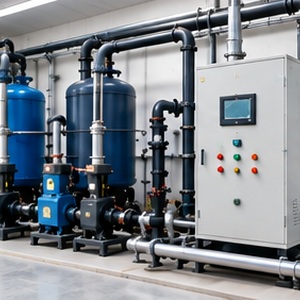
A Few Moments From Past Installations
Questions For Us
Is having an STP actually mandatory for our hospital, or just recommended?
For most hospitals above a certain bed capacity, an STP isn't optional, it's tied to your consent to operate from the State Pollution Control Board. The exact threshold and requirements vary by state, so it's worth confirming what applies specifically to your facility and bed strength.
We already send our sewage out through tankers. Why go through the trouble of installing an STP?
Tanker disposal works, but it's recurring cost, recurring coordination, and it doesn't reduce your exposure if norms tighten or get enforced more strictly. An on-site STP treats the water where it's generated, gives you water you can reuse for gardening or flushing, and takes the tanker dependency off your plate.
Does the STP also handle biomedical waste, or is that separate?
Separate. Biomedical waste, sharps, contaminated materials, certain hazardous liquids, is governed by biomedical waste management rules and needs its own handling process. An STP treats the hospital's general wastewater: ward runoff, kitchen and laundry discharge, washroom sewage. The two systems don't overlap, and no STP should be marketed as covering both.
How do you figure out what size plant we actually need?
We look at your bed count, occupancy levels, and how much water the hospital actually uses day to day, not just theoretical numbers. A site visit tells us more than a spec sheet ever could, and from there we size the plant to your real load, with some room for growth if you're planning to expand.
What happens if our patient load fluctuates a lot, will the plant keep up?
That's exactly why equalization is built into the design. Hospitals rarely have a flat, predictable wastewater flow, OPD mornings look nothing like a quiet night shift, so the system is designed to absorb those swings rather than get overwhelmed by them.
How much hands-on maintenance does this need from our facility team?
Some, but it's manageable. Expect periodic desludging, routine checks on the biological and mechanical components, and general upkeep, the exact frequency depends on the technology used and how hard the plant is working. We talk through what this looks like in practice before installation, so there are no surprises later.
Can we actually reuse the treated water, or does it just go down the drain?
In most cases, yes, treated water can go toward gardening, flushing systems, and other non-potable uses, depending on the treatment level achieved and local guidelines. It's one of the more practical wins of having an STP rather than just meeting a compliance checkbox.
Where does the plant physically go? We don't have much spare space.
That's a common concern, and it's usually solvable. Hospital STPs are commonly fitted into basements, utility areas or a dedicated outdoor plot; the design is built around whatever space you actually have, not the other way around.
Need an STP for Your Hospital?
Tell us your bed capacity, current wastewater setup, and whatever site constraints you're working with. We'll take it from there and recommend a system that actually fits.