
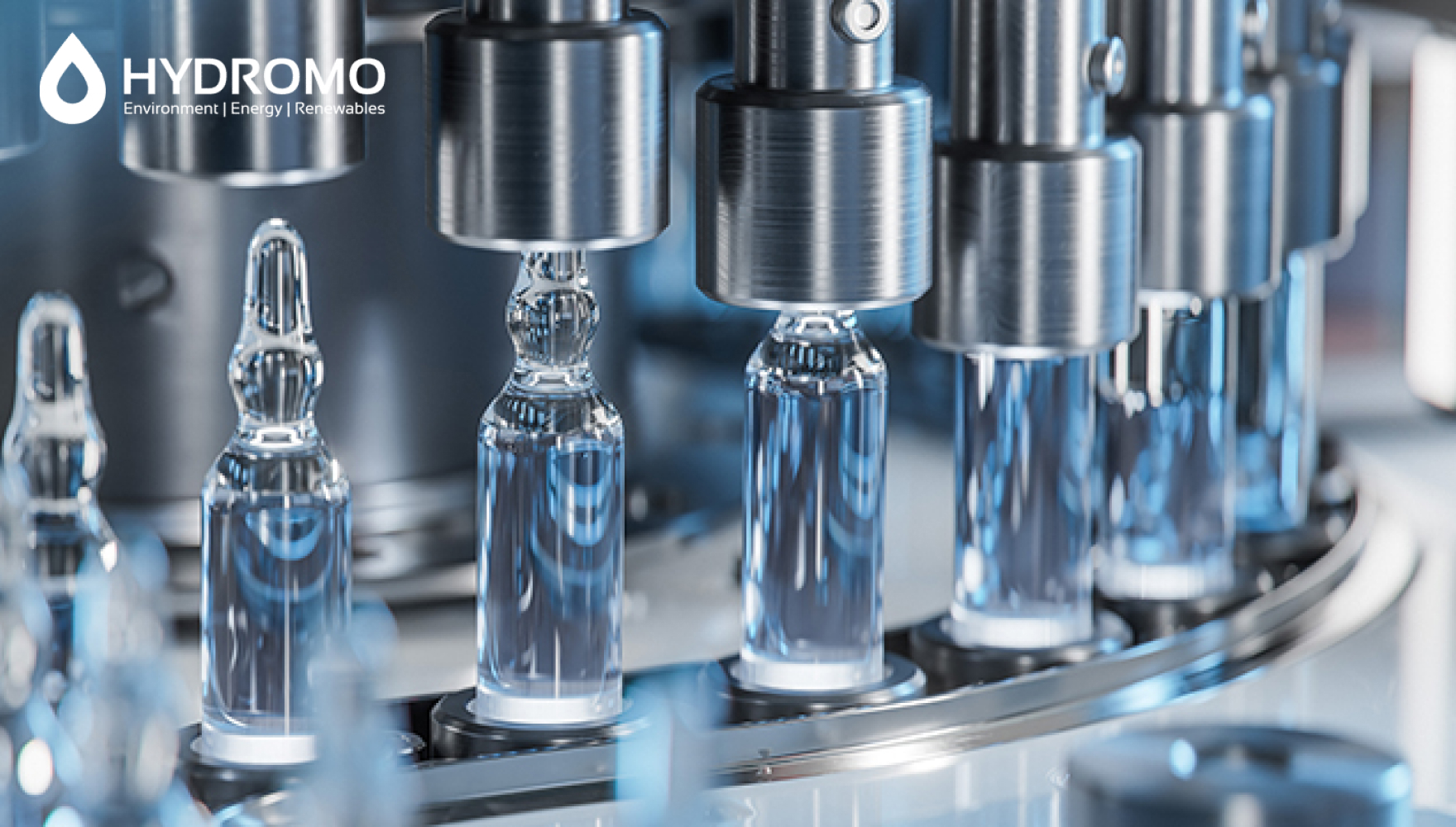
The drug manufacturing industry cannot adequately operate without pharmaceutical effluent treatment. It inactivates poisonous wastewater and water, passes the regulatory standards, and preserves the environment. In India and Hyderabad, Telangana in particular, high-level Effluent Treatment Plant (ETP) systems are necessary due to the high level of environmental standards and the level of scrutiny. These are not optional plants, but the ones that are required to have sustainable operations and water recovery as well as long-term regulatory approval.
ETPs of the modern pharmaceuticals are developed to treat high strength, difficult effluents. They permit conformity and regaining precious resources like treated water and biogas.
Pharmaceutical Wastewater has a unique Pollutant Profile.
Pharmaceutical effluents are not similar to industrial effluents. It has a heavy pollutant burden and is chemically complicated:
– COD levels exceeding 5,000–10,000 mg/L
– Elevated BOD, TSS, and TDS
– Expression of antibiotics, APIs, solvents, as well as intermediates.
– Saline streams and heavy metals.
– pH extreme changes between 2-12.
– Vivid and hazardous biological-resistant wastewater.
Processes of batch manufacturing enhance variability that generates hydraulic and organic shock loads. The release of bioactive compounds is another source of antimicrobial resistance (AMR). Effluents that have not been treated or are treated poorly are very dangerous to the environment and to human health. These are problems that need bespoke, robust treatment systems as opposed to standard ETP designs.
Structured Treatment Cascade for Pharma Effluent
An effective pharmaceutical ETP follows a multi-stage, integrated treatment approach to manage variability, toxicity, and regulatory limits.
1. Preliminary & Primary Treatment
The process begins with:
- Mechanical screening and grit removal
- Equalization tanks to stabilize fluctuating batch discharges
- Chemical coagulation using alum, PAC, or polymers
Flocculated solids are removed through Dissolved Air Flotation (DAF) or tube settlers, reducing TSS to below 100 mg/L and significantly lowering organic load before biological treatment.
2. Secondary Biological Treatment
Biological processes form the backbone of pharma wastewater treatment:
- MBBR or Activated Sludge Process (ASP) enables aerobic degradation, achieving 70–80% BOD removal
- UASB reactors handle high-strength influent anaerobically, generating biogas while reducing organic load
This combined aerobic–anaerobic strategy ensures BOD levels below 30 mg/L, even in toxic and variable wastewater conditions.
Tertiary & Advanced Refinement Techniques
To meet CPCB discharge norms and ZLD mandates, advanced treatment is essential:
- Membrane Bioreactors (MBR) for high biomass retention and superior effluent clarity
- Ultrafiltration (UF) and Reverse Osmosis (RO) achieving >99% TDS rejection
- Advanced Oxidation Processes (AOPs) such as ozone, UV, and Fenton’s reagent to destroy refractory and non-biodegradable pollutants
- Activated carbon and ion exchange for final polishing
These systems enable up to 95% water recovery, making Zero Liquid Discharge (ZLD) viable and cost-effective.
Treatment Performance
| Phase | Core Technologies | Key Outcomes |
| Primary | Coagulation + DAF | TSS < 100 mg/L |
| Biological | MBBR + UASB | BOD < 30 mg/L |
| Advanced | MBR + RO + AOP | 95% water recovery |
Regulatory Framework in India
Pharmaceutical effluent discharge is governed by CPCB guidelines under the Environment (Protection) Rules, 1986, requiring:
- pH: 6.5–8.5
- TSS: ≤100 mg/L
- BOD: ≤30 mg/L
- COD: ≤250 mg/L
Pharma units face additional scrutiny for antibiotic residues to control AMR. Non-compliance can lead to heavy penalties, plant shutdowns, or cancellation of Consent to Establish (CTE) and Consent to Operate (CTO). Continuous monitoring and automation are critical for uninterrupted approvals.
Overcoming Key Industry Pain Points
- Batch variability increases toxicity and sludge generation → Mitigated through robust pre-treatment and real-time monitoring
- High operating costs (Opex) → Optimized with anaerobic digestion and energy recovery
- Water scarcity → ZLD systems reduce freshwater consumption by 40–50%, improving ROI in stressed regions like Telangana.
Hydromo’s Specialized Pharmaceutical ETP Solutions
Hydromo is a trusted name in pharmaceutical effluent treatment across Telangana and Hyderabad, delivering turnkey ETP and ZLD solutions for capacities ranging from 5 KLD to 2 MLD. Our systems integrate DAF, biological treatment, RO, and ZLD, ensuring 99% regulatory compliance while minimizing sludge generation and maximizing water reuse.
Engineered locally and backed by deep domain expertise, Hydromo ETPs streamline approvals, reduce operational costs, and future-proof pharma operations against tightening environmental norms.
Looking for a pharma ETP audit or upgrade? Hydromo delivers compliance with confidence.
(FAQ)
1. Why is treatment of pharmaceutical effluent more complicated than other industries?
Ans. Pharmaceutical wastewater is rich in chemical oxygen demand (COD), active pharmaceutical ingredients (APIs) that are toxic and solvent residues and severe swings in pH. These aspects require a mixture of physico-chemical, biological and sophisticated treatment technologies.
2. How effective in treating can a full pharmaceutical ETP be?
Ans. A full-scale pharmaceutical effluent treatment plant (ETP) has the ability to treat the COD of more than 10000 mg/L down to less than 250mg/L and recycle up to 95 percent of the water with zero-liquid-discharge (ZLD) systems.
3. Are pharmaceutical units required to have Zero Liquid Discharge?
Ans. ZLD is obligatory in case of critical pharmaceutical units in the notified industrial zones. Even in areas not within these zones, it is highly encouraged as it facilitates re-use of water, and water sustainability.
4. What is the average timeline of pharmaceutical ETP execution?
Ans. To have capacities of 50 to 500 kilo-liters per day (kLD), installation per 3 to 6 months is typical. Modular systems have the capability of reducing the time required to commission.
5. What are some of the major ETP maintenance needs?
Ans. Proper sludge management, regular membrane clean-in-place (CIP) operations, automated dissolved oxygen (DO) and pH monitoring and frequent performance audits are all effective maintenance.