
Solar Panel Installation for Schools
Rising electricity costs are putting increasing pressure on school budgets. But the way schools use power presents a clear opportunity for solar — classrooms, labs, fans and lighting run through the day, exactly when sunlight is strongest. Hydromo sizes every system around your available roof, sanctioned load and actual daytime consumption.
A Campus Load Pattern Built for Solar
Most school campuses rely heavily on grid power throughout the day. Classrooms, labs, fans, water pumps and admin blocks consume electricity during the same hours solar panels generate the most power — which makes solar a natural fit. Yet many institutions are unsure about the right system size, or whether their roof can even support it.
Hydromo has installed solar systems across schools and larger campuses. Rather than offering a standard package, our team assesses electricity usage, roof capacity and site conditions, then designs the system around those specific requirements.
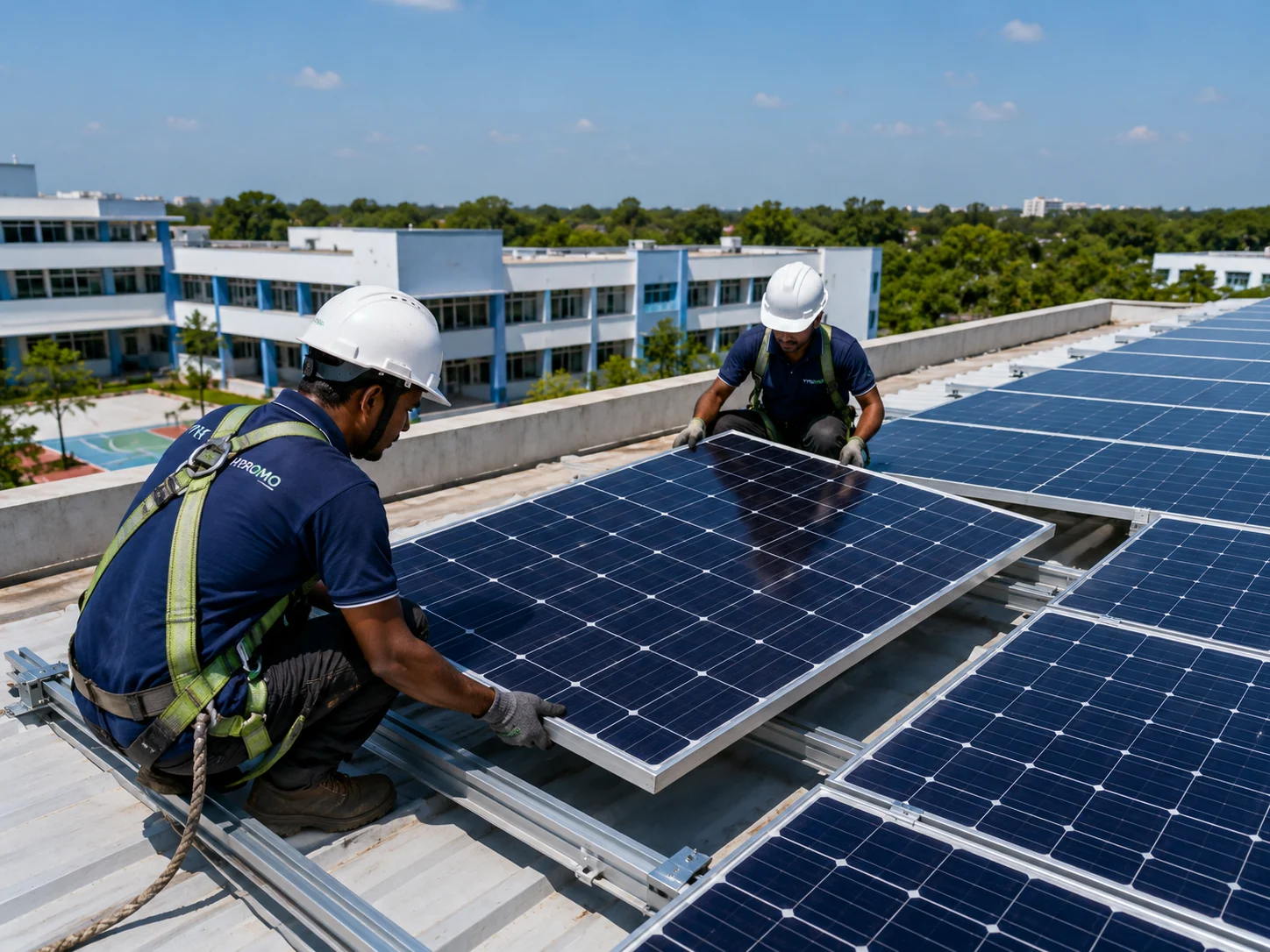
Why Solar Fits School Campuses So Well
Most of a school's electricity demand happens in daylight hours — exactly when solar panels generate the most. Few buildings match this pattern as well as schools do.
Rooftop solar gives schools a concrete asset for sustainability goals, and can support reporting or accreditation where that matters.
Once installed correctly, the system belongs to the school for its full operational life — an asset on the property, not a recurring cost.
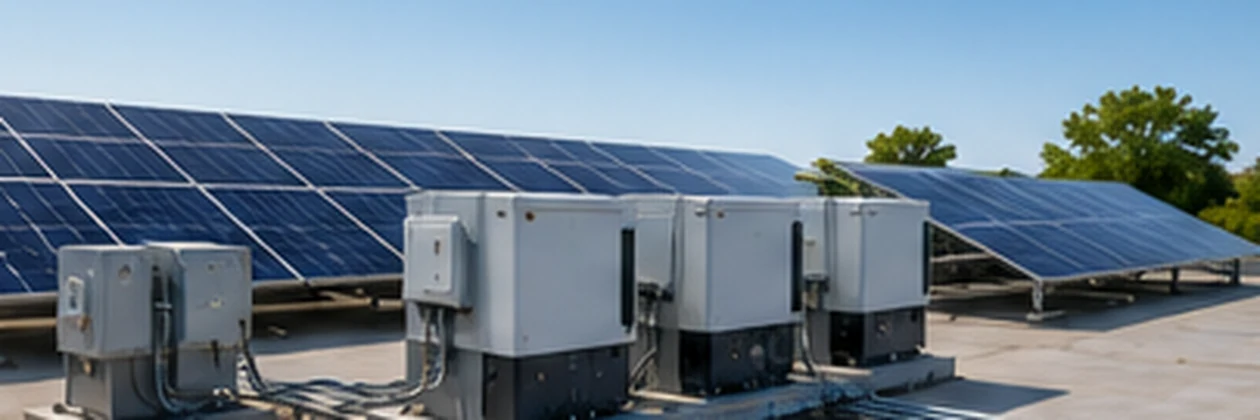
What Goes Into a School Solar System
Solar PV Modules
Panels that turn sunlight into DC electricity, chosen for your roof area, budget and generation target.
Grid-Tied Inverter
Converts DC into AC the campus can use, synced with the grid automatically.
Mounting Structure
Chosen for your actual roof — RCC, sheet roofing or open ground — built for local wind and weather.
Net Metering
Where your discom allows it, surplus generation is credited against your bill.
Monitoring System
A dashboard for your facility team to track generation day to day.
How Hydromo Installs Solar for Schools
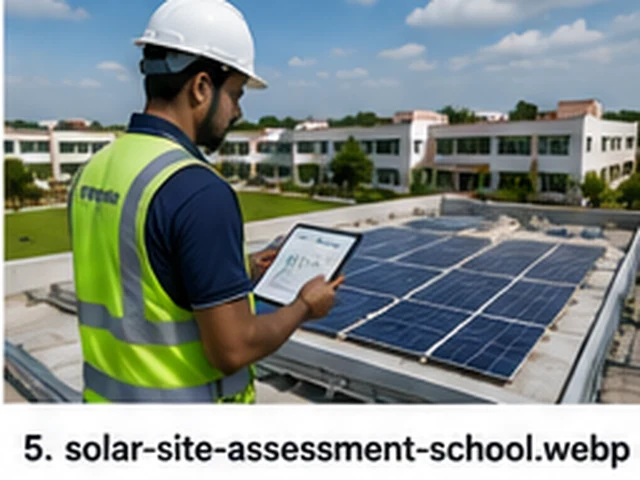
Site Assessment
Roof area, condition, shading, orientation and your sanctioned electrical load.
Load & Consumption Study
Past electricity bills and daytime usage patterns shape the recommended size.
System Design
Panel layout, inverter capacity and mounting approach for your specific roof.
Approvals & Documentation
Net metering and discom approvals, handled by Hydromo where applicable.
Installation
Panels, mounting, inverters and wiring, scheduled around your school calendar.
Commissioning & Handover
Tested, connected, and handed over with dashboard access.
Built Around Your Campus, Not a Catalogue
Sized to Your Actual Load
Capacity planned around what your school genuinely draws during the day.
Structural Check First
Roof condition and load-bearing capacity assessed before the mounting design.
Net Metering Support
Hydromo handles the paperwork where your local discom allows it.
Installed Around Your Calendar
Work sequenced to keep disruption to classes to a minimum.
A Clear View of Generation
Daily and monthly output on a dashboard for your facility team.
Room to Grow
Future buildings or added load can be factored in from the start.
What It Means for the Campus
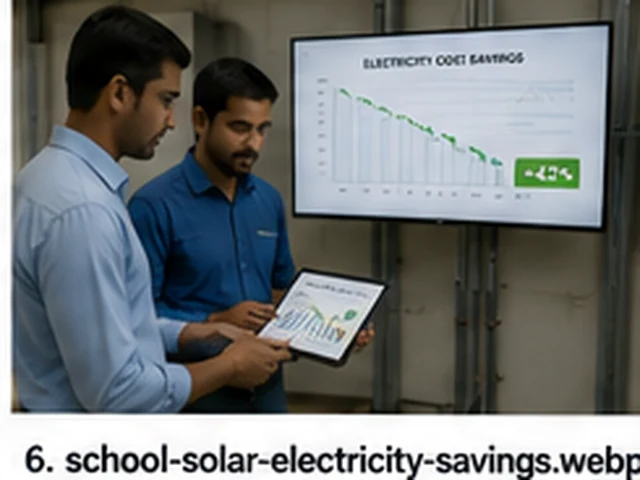
Lower Grid Electricity Costs
Power generated during school hours is power the campus isn't pulling from the grid.
Timed to How Schools Run
Peak demand and peak generation fall in the same daylight hours.
A Step Toward Sustainability Goals
Something concrete to point to for environmental initiatives and reporting.
An Asset the Campus Owns
Keeps generating for its operational life — not a recurring cost.
Something Students Can See
A rooftop installation doubles as a real-world teaching reference.
Less Exposure to Rising Tariffs
On-site generation softens the hit from future grid tariff hikes.
Where This Works
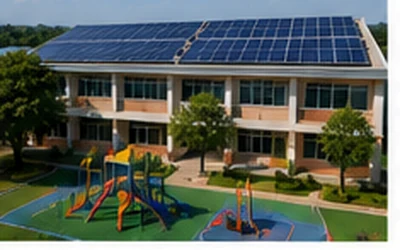
Day Schools
Classrooms and admin blocks, busiest exactly when the sun's out.
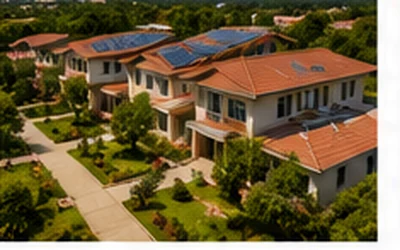
Residential Campuses
Consumption stretches beyond regular school hours.
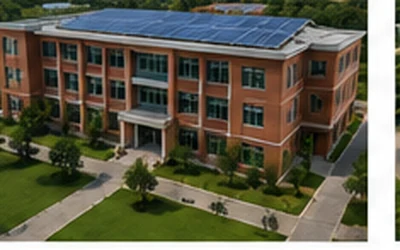
Colleges & Higher Ed
More roof, higher load, room for a bigger system.
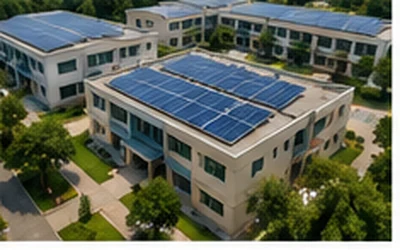
Multi-Building Campuses
Installation often phased across buildings.
Capacity & Customization
The right system size depends on your sanctioned load, available roof space, daytime consumption, roof condition and future plans. Hydromo assesses all of this during the site visit.
Selected Solar Installations
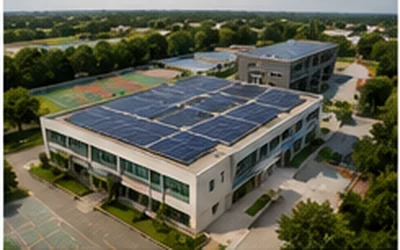
[Project name pending]
[VERIFY: add a verified school/campus case study — name, location, system size and outcome.]
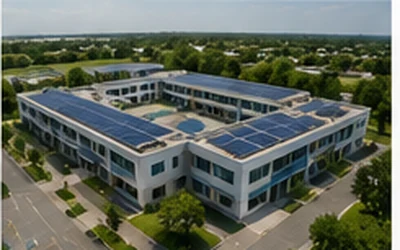
[Project name pending]
[VERIFY: add a second case study once available.]
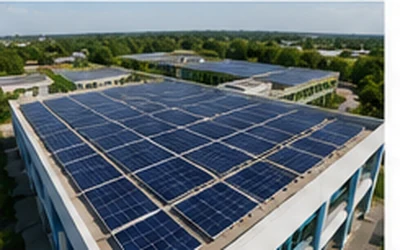
[Project name pending]
[VERIFY: add a third case study once available.]
One Team, Start to Finish
Design Built Around Your Campus
Engineered around your roof, load and consumption pattern.
Handles the Whole Job
Assessment, design, approvals, installation and commissioning.
Checks Before It Builds
Roof and load properly evaluated before anything goes up.
Still There After Installation
Support continues for performance and maintenance.
A Few Moments From Past Installations
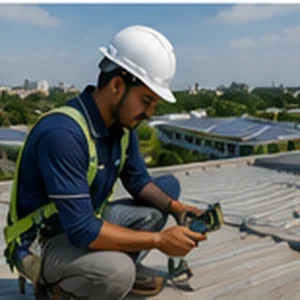
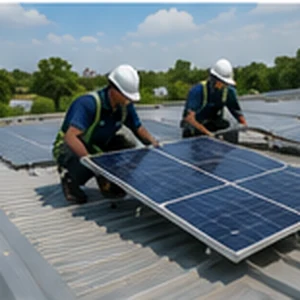
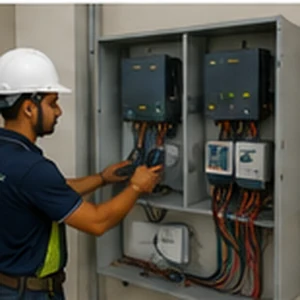
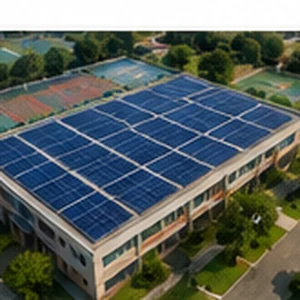
Questions For Us
How much can a school actually save with solar panels?
It comes down to your system's capacity, how much power your school uses during the day, and your local tariff structure. Hydromo works out a realistic savings estimate during the site assessment, based on your actual consumption data.
How much roof space do we need?
That depends on how much capacity your school needs, which is exactly what the site visit is for. Hydromo looks at your available roof area, any shading issues, and the structure itself before landing on a number.
Do we need government approval to install solar panels?
Yes, in most cases, grid-connected systems need documentation and sign-off from your local electricity distribution company, especially for net metering. Hydromo handles this process where applicable.
Will installing solar panels damage or weaken the roof?
Not if it's done properly. We run a structural assessment first to confirm the roof can support the mounting and panel load.
How long does the whole installation take?
It varies by system size, roof type and site conditions. Work is scheduled to keep disruption minimal, and Hydromo gives a realistic timeline after the site assessment.
Will the system keep the lights on during a power cut?
Not by itself. A standard grid-tied system works alongside grid power rather than as backup. Backup capability is a separate conversation involving battery storage.
How much upkeep does a school solar system actually need?
Not much — periodic cleaning and routine inspection are typically enough. Hydromo can suggest a maintenance schedule after installation.
What if the school adds more buildings later, can the system grow with us?
Often, yes — worth flagging during the initial design stage so the system can be planned with that expansion in mind.
Thinking About Solar for Your School?
Tell us about your campus, electrical load, roof details and current consumption — Hydromo's team will assess what you actually need and recommend a system sized accordingly.