
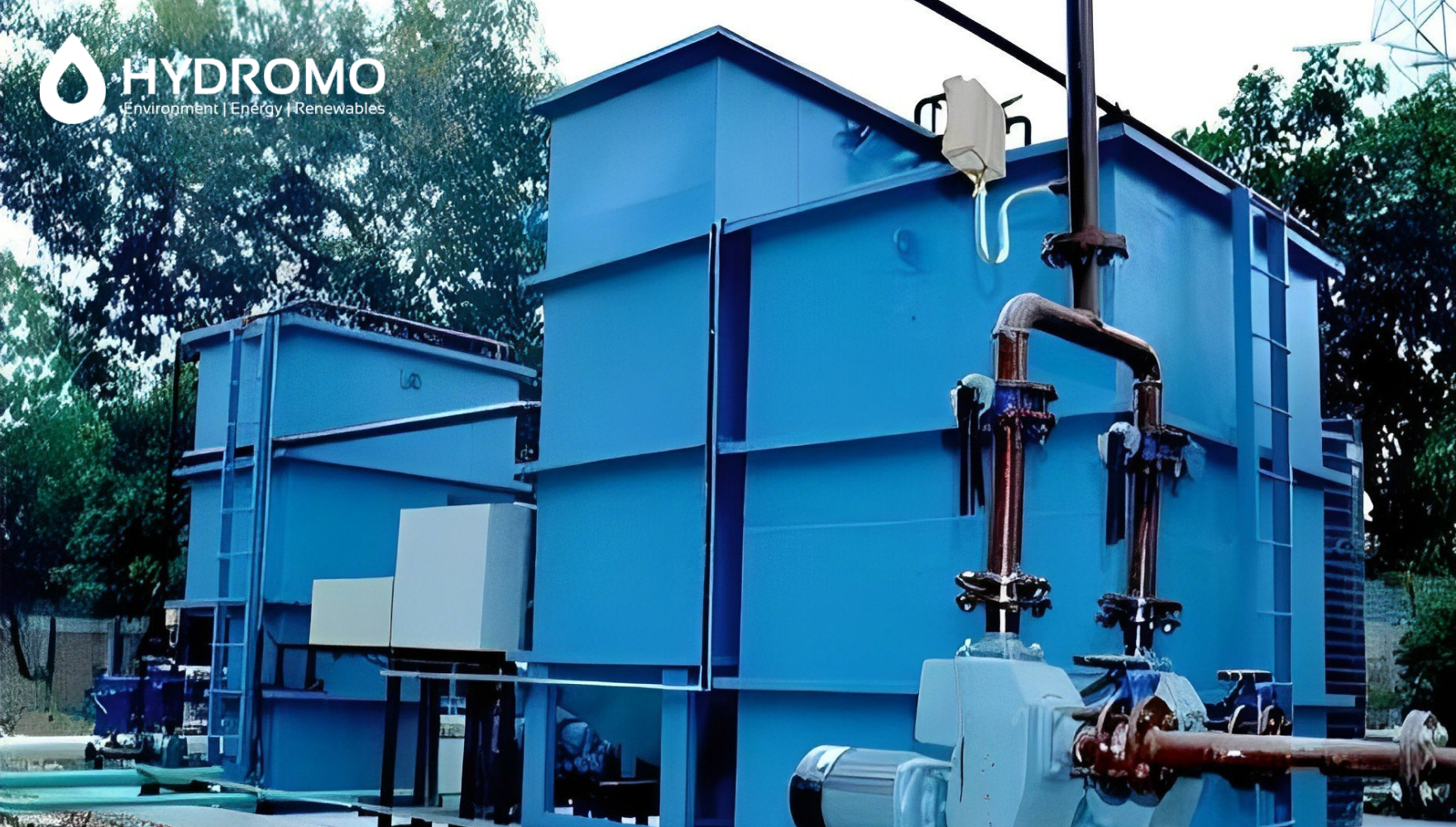
Odour issues are prevalent in sewage treatment plants in residential, business, and factory areas. The unpleasant odour is typically caused by hydrogen sulfide (H₂S) and ammonia, among other gases produced during wastewater treatment.
Without these smells being managed, they may lead to complaints by neighbours, rust on equipment and unsafe working conditions. To eliminate an STP smell, one has to identify the cause, revert the process to aerobic conditions, and apply modern smell-control technologies.
This is a guide on how to dispose of odours in sewage treatment plants in the most appropriate manner, ensuring the system is clean and free of odour.
What is the reason why sewage treatment plants smell?
The primary cause of the smell of sewage treatment plants is the breakdown of organic substances in the absence of oxygen.
Sulfate-reducing bacteria generate sulfide (H₂S), which smells like rotten eggs, when wastewater lacks oxygen.
Ordinary gases that give STP an odour.
‑ Hydrogen sulfide (H₂S)
‑ Ammonia ( NH₃)
‑ Mercaptans
Areas in STP where odour tends to be formed.
– Inlet chambers and screening units.
‑ Equalisation tanks
‑ Aeration tanks with low oxygen cover.
‑ Sludge holding tanks
‑ Sludge dewatering areas
Without proper odour control, the gases can find their way to other parts of the facility and adjacent areas.
What Causes Smell in an STP Plant?
STP smell problems can be caused by a number of operational problems, which can include:
- Reduced dissolved oxygen below 2mg/L.
- Clogged aeration diffusers
- The deposition of sludge in tanks.
- Ineffective ventilation in enclosed STP rooms.
- Stagnant wastewater zones
- Improper sludge management
Monitoring and regular audits of the system would aid the detection of such problems at an early stage to avoid the development of strong odours.
Removing the Smell of the Sewage Treatment Plant.
Find the Hidden Origin of STP Odour.
Removal of the odour in STP. It will first be necessary to identify the source of the odour.
Odours are common in anaerobic compartments of aeration tanks, equalisation basins, or sludge-keeping areas where oxygen concentrations are minimal.
The next components should be checked regularly, and they are used to identify problems at an early stage:
- Air blowers
- Diffusers
- Valves and pipelines
- Mixing systems
The correct performance of the system helps to ensure that the environment that gives rise to odour is avoided.
Keep Aeration at a Correct Level.
Oxygen is necessary for curbing sewage odours.
The operators are required to maintain dissolved oxygen (DO) levels at 2-3 mg/L in aeration tanks to prevent the formation of hydrogen sulfide.
Good aeration practices consist of:
- Using fine bubble diffusers
- Having air grids cleaned periodically.
- Calibrating oxygen sensors
- Installation of mechanical mixers to eliminate dead zones.
Blowers have backup power systems that prevent aeration failures, which may lead to sudden eruptions of odours.
Enhance the Air Circulation in Enclosed STP.
This may cause odorous gases to be trapped in the plant, making the smell more pronounced due to poor ventilation.
Better ventilation and air removal systems should be installed to eliminate polluted air and make the workspace habitable.
One of the most used methods is to establish negative pressure ventilation systems, which force odorous air into a treatment unit, such as:
- Activated carbon filters
- Biofilters
- Odour control units (OCU)
- This prevents the spread of foul air around the plant.
Install Odour Control Units (OCU)
Odour Control Units (OCUs) are among the most effective technologies for removing STP odour.
These systems capture odorous gases and treat them using filtration or biological processes before releasing clean air.
Common odour control technologies used in STPs
Activated Carbon Filters
Activated carbon absorbs hydrogen sulfide, ammonia, and VOCs from contaminated air streams.
Biofilters
Biofilters use microorganisms to biologically degrade odour-causing gases.
Bio-Trickling Filters
These systems pass contaminated air through a microbial media bed where bacteria oxidise harmful gases.
When properly designed, these systems can achieve up to 99.9% odour removal efficiency.
Why Apply Biological Odour Treatment?
Biological odour treatment uses beneficial microbes that oxidise sulphur compounds and organic gases that cause foul odours. These microbes:
- Contend with sulphate-reducing bacteria.
- Lessen the generation of hydrogen sulfide.
- Enhance wastewater treatment efficiency.
Biological treatment is eco-friendly and environmentally affordable, and can be used in the long-term sewage odour control.
Use Chemical odour neutralisation.
Chemical treatment procedures can be employed in extreme odour cases. Wet scrubbers, which have oxidising chemicals like:
- Sodium hypochlorite
- Ozone
- Hydrogen peroxide
have the ability to neutralize odors gases. There are also misting systems that include odour neutralisers during maintenance or temporary odour spikes. Nevertheless, chemical treatment is generally employed as an auxiliary technique rather than as the main solution.
Best Practices to control STP Odour for the Long Run.
Wastewater treatment plants must adhere to the following best practices in order to remove sewage smell:
- Keep dissolved oxygen levels above 2mg/L.
- Remove sludge regularly
- Aeration diffusers and pipelines are clean.
- Provide correct ventilation systems.
- Install high-technology odour-controlling measures.
- Routine odour monitoring.
Preventive maintenance is the most reliable way to avoid recurring odour problems.
Conclusion
Removing smell from a sewage treatment plant requires a combination of operational improvements and advanced odour control technologies. Low oxygen and hydrogen sulfide are the causes of most odour problems. It can be addressed through adequate aeration, ventilation, and filtration. With the help of activated carbon filters, biofilters, biological treatment procedures, and chemical scrubbers, STPs can significantly reduce odour emissions and ensure the safety and environmental friendliness of operations. Odour elimination strategies not only enhance a plant’s performance but also help gain community goodwill and meet regulatory requirements.