
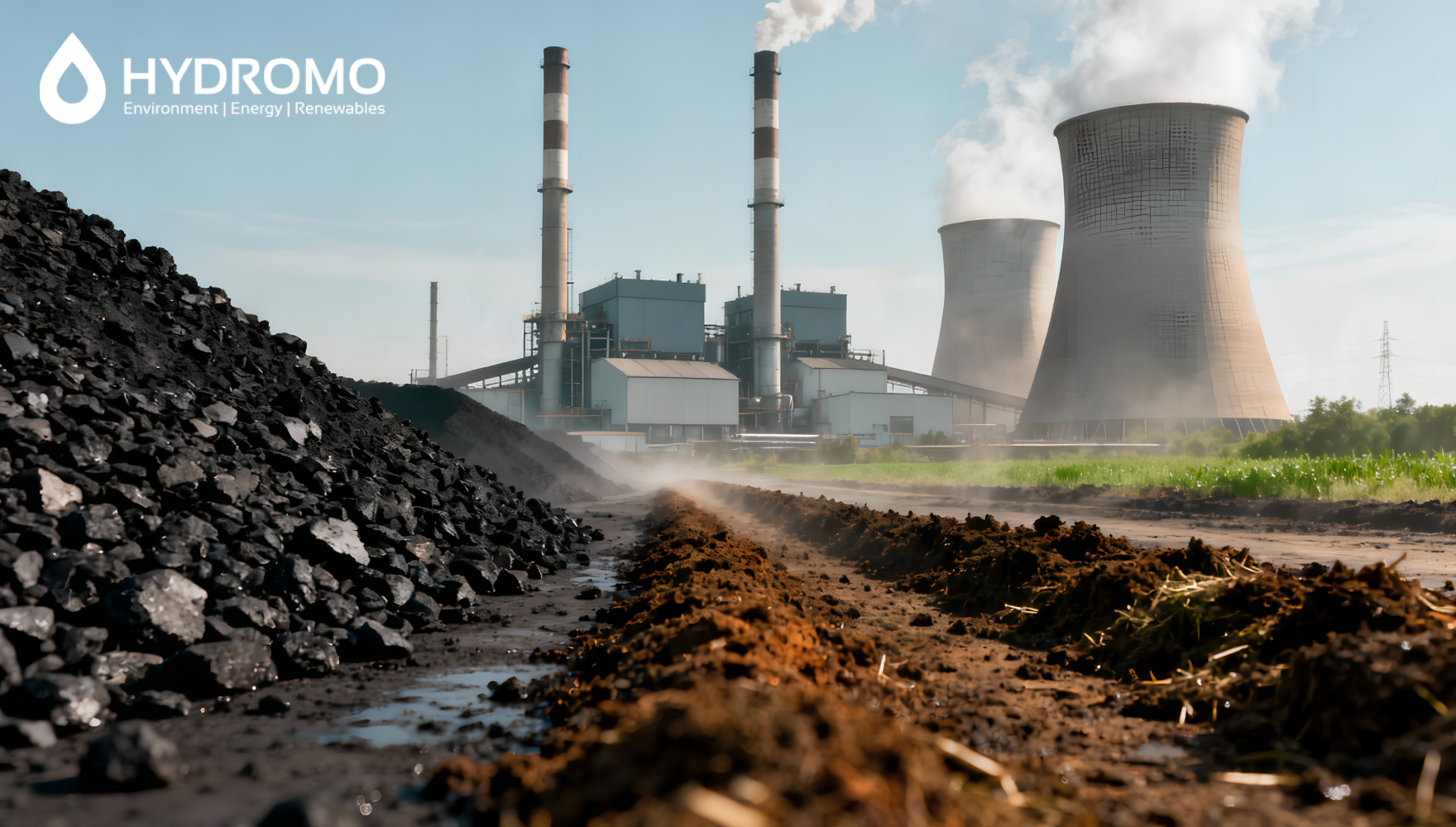
As the energy sector continues to seek cleaner and more efficient solutions, the co-firing of sludge in thermal power plants is one of the emerging and promising methods to reduce fuel costs and promote sustainable waste management. This blog reads how incorporating sludge with coal in a 10 MW thermal power plant can lead to exceptional financial savings and environmental benefits.
What does Co-Firing mean?
Co-firing means burning coal and biomass (such as agricultural waste or wood pellets) at the same time in a coal-burning power plant. The goal is to cut down on emissions by mixing renewable biomass with fossil fuels. Indian policy requires that at least 5% of the fuel in coal-based power plants comes from biomass co-firing.
Cut down on the use of coal.
A reduction in carbon emissions
Make sure to use industrial and municipal waste in the best way possible.
Case Study- 10 MW Thermal Power Plant
Let’s analyse the daily energy operations of a 10 MW thermal power plant with and without sludge co-firing.
Plant Specifications:
The plant is designed to produce 10 MW of energy.
The place is open 24 hours a day.
The Plant Load Factor (PLF) is 85%.
The plant produces 204 MWh of electricity every day.
Coal Calorific Value (CV) is 5,000 kcal/kg.
The energy content of dry sludge is 3,500 kcal/kg.
Coal is priced at ₹12,000 per ton.
The cost of handling sludge is ₹1,500 per ton*.
Split Fuel Requirement Analysis
Coal share -90%*500,260= 4,50,234 kal (Energy required )
To fuel up the energy requirement, we need
4,50,234kcal /5000kcal per kg =90 tons/day
Sludge share -10%*500,260= 50,026 kcal (Energy required )
To fuel up the energy requirement, we need
50,026kcal /3500kcal per kg =14.3 tons/day
The plant must use about 500,260 million kcal/day to produce 204 MWh/day.
The mix consists of 90% coal and 10% sludge.
The plant uses 100 tons of coal every day.
The plant requires 14.3 tons of sludge each day.
Daily Operating Costs Comparison
| Fuel Cost | Fuel Cost/Day (₹) |
——————————————-
The cost for 100% Coal is ₹12,00,600.
90% Coal + 10% Sludge | ₹11,01,435 |
Every day, you can save ₹99,165.
So, the company saves ₹3.62 Crores each year.
Strategic/ Environmental Advantages.
- The quantity of waste sludge deposited in landfills is reduced since the waste is utilised.
- Reduces the use of coal.
- Reduces the emissions of greenhouse gases.
- Improves the economy of plants without the need to invest heavily on it.
Final Thoughts
Burning sludge together with other fuels in thermal plants is both cost-effective and good for the environment. Replacing 10% of coal with sludge in a 10 MW plant can save over ₹3.6 Crores a year and help the environment. By co-firing, industries can turn waste into energy and save money, which is a smart way to move toward sustainability.
A small step that makes a big difference is possible, smart for the economy, and needed for the environment.