
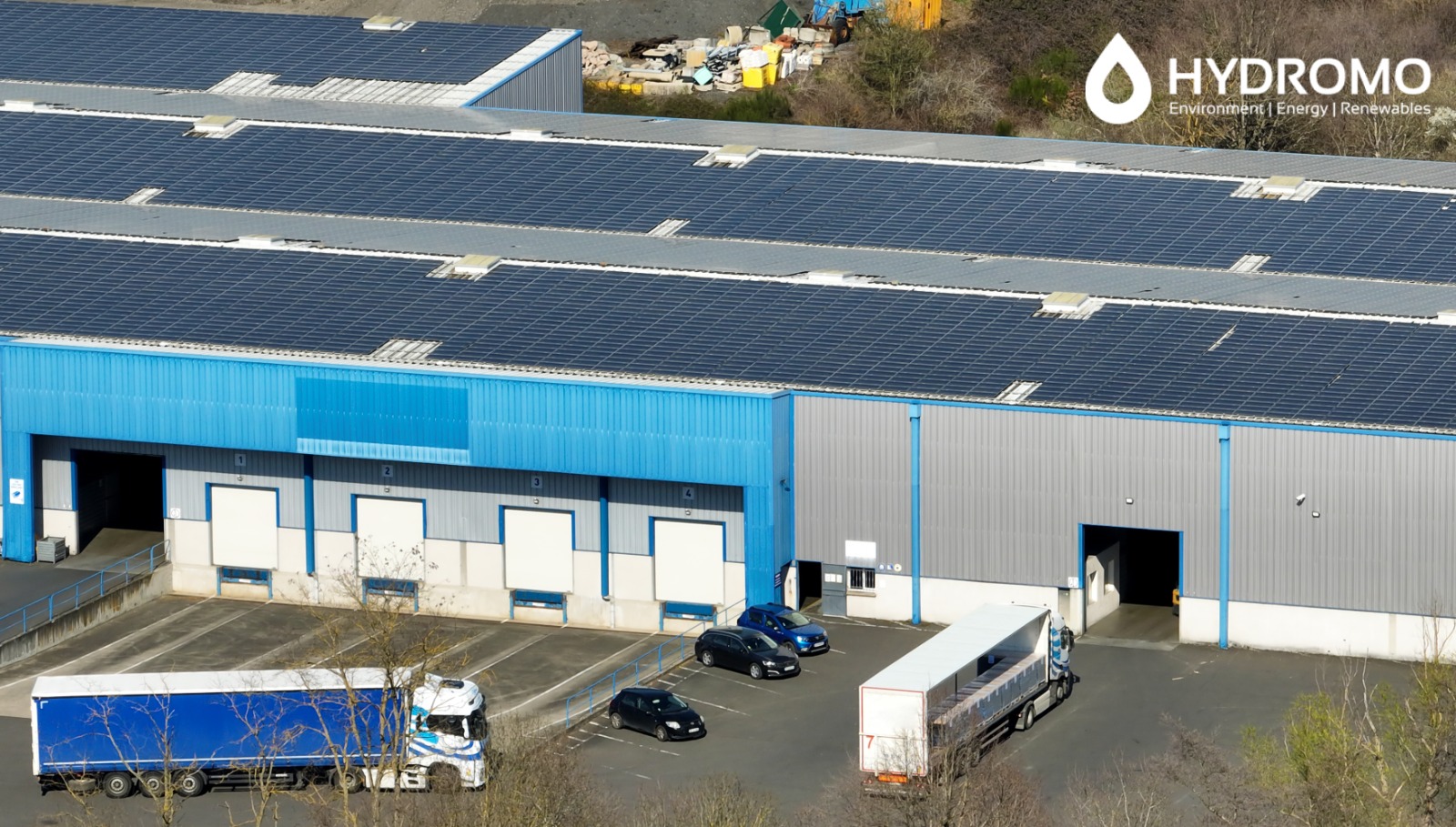
If you’re searching for the 500 kW solar plant cost in India or specifically in Telangana, you’re not alone. Factories, warehouses, and commercial buildings across Hyderabad and surrounding districts are switching to solar to slash power bills that keep climbing. At Hydromo Solar Solutions, we install these systems every month, so here’s the straight talk on what it actually costs right now, what you get back, and why Telangana makes perfect sense.
What Does a 500 kW Solar Power Plant Cost in India Today?
A turnkey 500 kW on-grid solar power plant in India typically ranges from ₹1.8 crore to ₹2.5 crore—roughly (₹36–50 per watt). This is for a high-quality rooftop or ground-mount system using Tier-1 panels and string inverters.
Break it down:
Solar panels & mounting—55–60% of the total (commercial solar panel cost has dropped nicely)
Inverters & electricals—15–20%
Installation, civil work & grid integration—15–20%
Monitoring & safety systems—the rest
Off-grid or hybrid versions push the industrial solar power plant cost higher (₹2.8–3.5 crore) because of batteries. Most businesses we work with choose on-grid with net metering — it’s the smartest play in Telangana.
Pro tip: Prices vary by brand, site conditions, and whether you go rooftop (needs ~40,000 sq ft) or ground mount. In Telangana, we often see the lower end of the range because of easier logistics from Hyderabad.
Why Telangana is a Sweet Spot for 500 kW Solar
Telangana’s sunny climate (average 5+ peak sun hours) means your 500 kW plant can generate 2,000–2,500 units per day—that’s 7–8 lakh units a year. At current industrial tariffs of ₹7–8 per unit, you’re looking at ₹50–65 lakh annual savings.
Add in state perks:
- No wheeling charges or cross-subsidy for captive use
- 40% accelerated depreciation
- 10-year income tax holiday on solar projects
- Priority sector loans up to ₹15 crore
These incentives make the real 500 kW solar power plant cost in Telangana even more attractive — payback usually lands between 3.5 and 4.5 years, then pure profit for the next 20+ years.
Real Returns: Numbers That Matter
A typical 500 kW system pays for itself fast. One of our recent industrial clients in Hyderabad cut their monthly bill by ₹4.8 lakh from day one. With panel warranties of 25 years and linear performance guarantees, the long-term numbers look even better.
At Hydromo Solar Solutions, we don’t just quote the 500 kW solar plant cost and walk away. We design for your exact load, integrate with your existing setup, and handle everything from TGREDCO approvals to net-metering. Our team in Hyderabad knows the local dust, heat, and grid quirks better than anyone.
Ready to lock in your energy costs for the next two decades? Drop us a message or call our team today. We’ll run a free site assessment and give you a custom quote tailored to your factory or commercial space — no jargon, just clear numbers.
Switching to solar isn’t just green — it’s good business. In Telangana right now, the 500 kW solar plant cost makes more sense than ever.
FAQ:
Q1. What is the cost of the 500 kW solar plant in Telangana in the year 2026?
A. For most industrial and commercial buyers in Telangana, a turnkey 500 kW on-grid solar power plant will cost between ₹1.8 crore and ₹2.5 crore—working out to roughly ₹36-50 per watt. That said, your final number depends on whether you’re going rooftop or ground-mount, the panel brand you choose, and site-specific factors like shading, structural work, or distance from the grid connection point. Businesses in Hyderabad often land on the lower end of this range simply because of better logistics and easier access for our installation teams. Always ask for a site-specific quote before budgeting.
Q2. How much electricity will a 500kw solar system produce and how will it impact my current bill?
A. Telangana receives an average of 5 or more peak sun hours daily, which means a well-installed 500 kW system realistically generates between 2,000 and 2,500 units every day. Over a full year, that adds up to roughly 7–8 lakh units. At current industrial tariffs of ₹7–8 per unit, most of our clients see annual savings between ₹50 lakh and ₹65 lakh. In practical terms, many factories and warehouses eliminate 80–100% of their DISCOM bill from the very first month.
Q3. What government incentives are available for a 500 kW commercial solar power plant in Telangana?
Telangana is genuinely one of the better states for industrial solar right now. On top of central government benefits like 40% accelerated depreciation and a 10-year income tax holiday on solar income, the state removes wheeling charges and cross-subsidy surcharges for captive solar users — which alone saves a significant amount annually. Priority sector financing up to ₹15 crore is also available, making it easier to fund the project through a loan and repay it from the savings itself. These incentives will directly lower your effective 500 kW solar power plant cost and will result in a much shorter payback period.
Q4. What is the payback period of a 500 kW industrial solar plant in Hyderabad in real life?
A. Payback on grid systems between 3.5 and 4.5 years, based on the installations we have done around Hyderabad and the surrounding districts. That calculation includes the current costs of installations, the tariff rates in this region, the benefits of depreciation that can be obtained on the installations, and the average generation in this area. Once you have covered the payback, you are literally producing free power over the next 20 or more years – the panels have 25-year performance guarantees, and good inverters are designed to last much longer with regular maintenance.
Q5. What size area is a 500 kW solar power plant? and what do I do without space?
A. A standard 500 kW rooftop solar installation needs approximately 40,000 square feet of usable, shadow-free roof space. If your rooftop falls short, a ground-mount setup on open land adjacent to your facility is a practical alternative—and in some cases, it’s actually easier to work with structurally. We also evaluate hybrid configurations where part of the load is met through rooftop panels and the rest through a small ground array. During our free site assessment, we map your available area and design accordingly, so you’re never locked into a one-size-fits-all solution.